
Keep Feet Warm During Pedicure: 7 Steps

Table of Contents
- Why Feet Get Cold During Pedicures and How to Prevent It
- Step 1: Choose the Right Socks to Wear After Applying Toenail Polish
- Step 2: Warm Your Feet Before the Pedicure Starts
- Step 3: Keep Your Core Warm to Maintain Foot Warmth
- Winter Foot Care Tips for Soft Skin During Pedicures
- How to Dry Toenail Polish Faster While Staying Warm
- When Cold Feet Need Medical Attention
- Conclusion
- Frequently Asked Questions
Last Updated: October 21, 2026
Why Feet Get Cold During Pedicures and How to Prevent It
Your feet get cold during pedicures because they're exposed to air while polish dries. The salon is often cool. Your toenails are wet, which pulls heat away from your skin. This is a real problem, not just uncomfortable, but it can slow down polish drying and leave you shivering for hours.
The good news: you can keep feet warm pedicure appointments with simple steps. It starts with the right socks and a few smart habits before you even sit down in the chair.
At Original Pedi-Sox®, we invented the pedicure sock specifically to solve this problem. Our toe-less design lets polish dry flawlessly while your feet stay warm and cozy. You get the comfort of socks without covering your fresh nails.
This guide covers seven proven steps to keep feet warm during pedicures. You'll learn what to wear, how to prepare your feet, and when to seek medical help if cold feet become a real concern.
Step 1: Choose the Right Socks to Wear After Applying Toenail Polish
The most important step is choosing socks designed for pedicures. Regular socks cover your toenails and smudge wet polish. You need something different.
Specialized pedicure socks are toe-less. They cover your foot and heel but leave your toes completely free. This design lets nail polish dry without interference while keeping your feet warm.
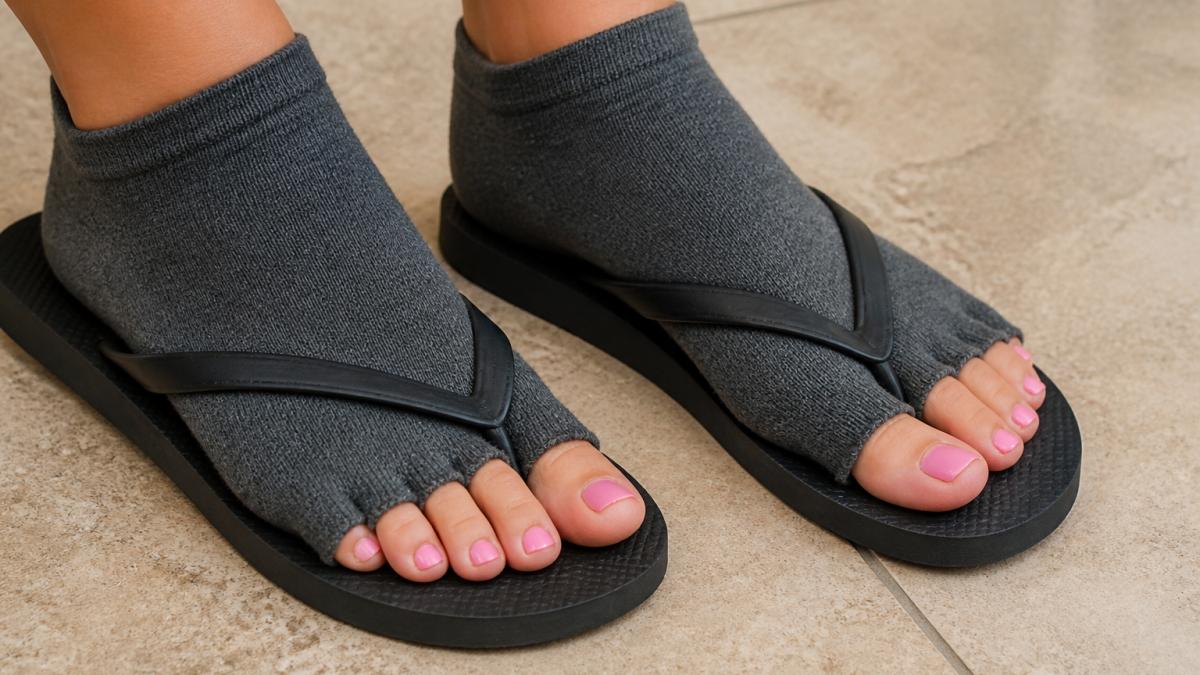
Look for socks made from cotton or cotton blends. Cotton breathes well and won't trap moisture that causes fungal infections. Thicker materials work best in winter. Lighter weights work year-round.
Original Pedi-Sox® offers multiple options:
- Classic styles like our Original Pedi-Sox® - Classic Blue Trim provide professional-grade warmth at an affordable price
- SPA Grade like our Original Pedi-Sox® - Professional - SPA White with double-thick heel cups for extra comfort
- Ultra Lux styles like our Original Pedi-Sox® - Ultra - Houndstooth Crimson Tide for maximum warmth and stretch
The key is fit. Socks that bunch up under your feet will slip around and won't keep you warm. You want a snug fit that stays in place.


Step 2: Warm Your Feet Before the Pedicure Starts
Start the warming process before you even get your toenails painted. Warm feet stay warm longer than cold feet, and a proper pre-pedicure warm-up does double duty: it softens skin and cuticles for easier prep and keeps you comfortable through the long drying phase.
Soak at a safe temperature. Fill a foot bath with warm water, most foot-care practitioners recommend testing it with your wrist or elbow the way you would a baby's bath, because water that feels comfortably hot to your hands can be too hot for feet with reduced sensation.
Soak for five to ten minutes, not longer. Extended soaking softens the nail plate and can make polish adhesion less reliable. Add Epsom salts if you have dry skin or calluses, the salt and warmth together soften skin before exfoliation, but rinse and dry thoroughly afterward, because leftover residue can interfere with base coat.
Warm the room, not just the water. A cool salon undoes a warm soak within minutes. Ask the technician to raise the thermostat slightly or move you away from air-conditioning vents and entry doors.
Keep feet covered between steps. The biggest heat loss happens in the gaps, while the technician files, trims cuticles, or mixes products. Bring a pair of toe-less pedicure socks and slip them on whenever your feet are out of the water and not actively being worked on.
Warm towels, used hygienically. Many salons offer warm towel wraps after the soak. Ask whether the towels are freshly laundered for each client and whether they are warmed in a towel warmer rather than a microwave, which can create hot spots.
Use a heating pad correctly. If you use a heating pad under your feet while you wait, keep it on the lowest setting and never fall asleep on it. Place a towel between the pad and your skin, and limit use to about 15 minutes at a time.
If you have diabetes, peripheral neuropathy, or Raynaud's, check your feet, tops, soles, and between the toes, before and after every pedicure for redness, blisters, or skin breaks you may not have felt.
Step 3: Keep Your Core Warm to Maintain Foot Warmth
Your body prioritizes keeping your core warm. When your core temperature drops, your body pulls blood away from your extremities, including your feet, to protect vital organs.
Wear a warm jacket or sweater to your pedicure appointment. Even if the salon feels comfortable, your feet will stay warmer when your whole body is warm.
Drink warm tea or coffee while you wait for polish to dry. Hot beverages raise your internal temperature from the inside. This signals your body that it's safe to maintain normal circulation to your feet.
Avoid sitting near air conditioning vents. Many salons keep the AC running year-round. If you're positioned near a vent, ask to move to a different chair.
Keep your legs covered. Wear pants or leggings instead of shorts. The more skin you expose, the faster you lose body heat.
Winter Foot Care Tips for Soft Skin During Pedicures
Winter air is dry. Pedicures expose your feet to even more dryness because the warm salon air pulls moisture from your skin. Dry feet crack and hurt.
Start a nighttime moisturizing routine. Apply a rich foot cream or moisturizing lotion to your feet before bed. Wear your pedicure socks overnight to lock in moisture while you sleep.
Original Pedi-Sox® - Professional - SPA White ***Thick Cotton*** →
Exfoliate gently once a week. Use a pumice stone or foot scrub to remove dead skin. This helps moisturizer absorb deeper into your skin.
Avoid standing on cold floors barefoot. Cold surfaces pull heat directly from your feet. Wear slippers or socks whenever you're at home, especially in winter.
Stay hydrated. Drinking enough water keeps your skin hydrated from the inside out. Aim for eight glasses per day, more if you're active.
Consider a foot mask once a week. These intensive treatments restore moisture to cracked heels and calluses. Apply before bed and wear your pedicure socks to seal in the treatment.
How to Dry Toenail Polish Faster While Staying Warm
Wet nail polish takes time to dry, and the drying phase is exactly when feet get coldest, they are out of the water, uncovered, and often in front of an air vent. The goal is to warm the feet without disturbing the polish and without trapping moisture under the coat.
Understand why cold feet slow you down. Polish cures best at room temperature. Cold feet and cold polish (bottles stored in a chilly salon cabinet, for example) flow more thickly, which can lead to streaky application and longer set times.
Dry the nail plate completely before polish. Any water or oil left on the nail after soaking or cuticle work prevents the base coat from bonding.
Use quick-dry products correctly. A quick-dry spray or drops seals the surface and speeds setting, but they work best on a thin, even coat. Most salons keep them on hand; at home, follow the label and apply from about eight inches away so the product mists rather than pools.
Sit still for the first ten minutes. Movement creates air currents and flexes the nail, both of which cause smudges. Keep hands in your lap and feet flat on a footrest.
Warm the feet, not the polish. Once the surface is touch-dry, it no longer transfers when you lightly brush it, slip on toe-less pedicure socks. They cover the heel and top of the foot while leaving all ten toenails exposed, so warmth returns without contact with the wet coat.
Wait before shoes. Give polish at least two hours before putting on closed-toe shoes, and longer if the coat is thick or the room is cool. Shoes press on the nail and can crack or chip polish that is still curing underneath.
When Cold Feet Need Medical Attention
Cold feet are normal during pedicures. But sometimes cold feet signal a real health problem that needs attention.
Seek medical care if you experience numbness or tingling in your feet that doesn't go away after warming up. This can indicate nerve damage or poor circulation.
Watch for discoloration. If your toes turn blue or purple and don't return to normal color after warming, contact a doctor. This suggests your feet aren't getting enough blood flow.
Pain that persists after your pedicure is worth investigating. Mild soreness fades quickly. Sharp pain or throbbing that lasts hours suggests an underlying issue.
If you have diabetes, be extra careful with cold feet. Diabetes reduces sensation in your feet, so you might not notice damage from cold exposure (the CDC). Keep your feet warm and check them regularly for cuts or sores.
People with Raynaud's syndrome experience extreme reactions to cold. Your fingers and toes turn white or blue when exposed to cold temperatures. If you have Raynaud's, warm your feet thoroughly before and after pedicures, and consider scheduling appointments in warmer months.
Conclusion
To keep feet warm pedicure appointments, focus on preparation and the right gear. Choose toe-less pedicure socks that let polish dry while keeping your feet warm. Warm your feet before your appointment. Keep your core body temperature up. Protect your feet from cold surfaces.
The simplest solution is using specialized pedicure socks designed for exactly this purpose. Original Pedi-Sox® offers professional-grade options in multiple materials and styles. Our toe-less design eliminates cold feet while your polish dries flawlessly. Get started with Original Pedi-Sox® and experience the difference warm, comfortable feet make during your pedicure.
Frequently Asked Questions
What are the best socks to wear after a pedicure?
Toe-less socks like Original Pedi-Sox are the ideal choice because they keep your feet warm without covering your freshly painted toenails. These specialized socks allow your polish to dry flawlessly while providing insulation and comfort. They feature a snug fit that stays in place, come in various material weights for year-round use, and can be worn with flip-flops for added warmth. Unlike regular socks, they won't smudge or damage your polish.
How can I keep my feet warm while waiting for nail polish to dry?
Combine multiple warming methods: wear thick, warm toe-less socks, use chemical toe warmers or a heating pad on low heat, keep your core body warm with a blanket or warm clothing, and avoid cold surfaces like tile or hardwood floors. Stay active with light movement to improve circulation. If you're at home, sit in a warm room away from drafts. Toe-less socks like Original Pedi-Sox are essential because they maintain warmth without interfering with polish drying.
Will Original Pedi-Sox stay in place during activities like yoga or Pilates?
Yes. Original Pedi-Sox are designed with a snug fit that keeps them secure during movement. The toe-less design provides freedom of movement without bunching, and the socks grip your feet naturally during yoga, Pilates, dance, and other activities. They won't slip off or bunch up under your feet. For maximum stability, choose the size that fits snugly, the Professional SPA White ($10.75) and Classic styles offer reliable grip for active use.
Can I wear socks immediately after a pedicure without ruining my polish?
Yes, but only toe-less socks designed for pedicures. Regular socks will smudge or damage wet polish. Toe-less socks like Original Pedi-Sox allow your toenails to remain exposed so polish dries without interference. Wait 15-30 minutes after polish application before putting on socks to allow the base coat to set. This combination keeps your feet warm and protected while your polish dries flawlessly.
- Editorial Team


Comments 0