
Benefits of a Daily Foot Care Routine for Dry Feet

Quick Summary
A daily foot care routine helps dry feet by washing away buildup, sealing moisture into the skin, and protecting the skin barrier before cracks form. Feet lose moisture quickly from sweating, friction, and dry air, so regular treatment keeps dryness from returning.
- Dryness often returns within a day or two when treatment is skipped, so consistency matters.
- Apply moisturizer to damp skin, then cover feet with socks to keep the cream in place.
- Routines take about 10 to 15 minutes, usually done at night.
- Stop the home routine and see a provider for bleeding cracks, spreading redness, drainage, or infection signs.
Table of Contents
- Why Dry Feet Happen and What a Daily Routine Changes
- How Daily Foot Care Supports Skin Barrier Health and Circulation
- A Step-by-Step Daily Foot Care Routine for Dry Feet
- Vaseline on Feet Overnight: When It Helps and When to Skip It
- How to Exfoliate Dry Feet Safely Without Causing Damage
- Moisturizing Socks for Dry Feet and Cracked Heels
- Diabetes, Neuropathy, and Dry Feet: Safety Considerations and When to See a Doctor
- Start Your Own Dry-Foot Routine This Week
- Frequently Asked Questions
Why Dry Feet Happen and What a Daily Routine Changes
Dry feet are usually a skin problem: the outer layer of skin loses moisture faster than it can replace it. A daily foot care routine interrupts that cycle by washing away buildup, sealing in moisture, and protecting the skin barrier before cracks form.
Feet are under constant pressure. They sweat inside shoes, rub against footwear, and spend most of the day in air conditioning or cold weather, all of which strip moisture. Skin on the heels is also thicker and has fewer oil glands than most of the body, so it dries out quickly and is slow to recover.
A routine changes this in a few practical ways:
- It removes what sits on the surface. Dirt, sweat, and loose dead skin can keep moisture from penetrating when you apply cream.
- It keeps moisture on the skin longer. A cream applied to clean, damp skin and covered is far more effective than one rubbed in and left exposed.
- It catches problems early. Daily contact with your feet makes small cracks, redness, and thickened patches easier to notice before they worsen.
Many people find that dryness comes back within a day or two when they skip treatment, which is why consistency matters more than any single product. Shorter, regular sessions usually do more than one long weekend pampering. Watch out: if you see cracks that bleed, spreading redness, drainage, or signs of infection, stop the home routine and see a healthcare provider rather than trying to manage it yourself.
How Daily Foot Care Supports Skin Barrier Health and Circulation
The skin barrier is the outermost layer of skin, and its job is to hold water in and keep irritants out. When it is intact, skin stays flexible and comfortable.
Circulation plays a supporting role. Warm, clean feet with good blood flow generally heal and retain moisture better than cold, neglected feet, and a comfortable routine encourages people to stay on top of their care.
Daily care also supports foot health more broadly. Clean, dry skin between the toes resists the moisture that fungi and bacteria prefer, and regular inspection makes calluses, fissures, and blisters easier to spot.
A Step-by-Step Daily Foot Care Routine for Dry Feet
A workable routine takes about 10 to 15 minutes and can be done once a day, usually at night. The sequence matters: clean first, dry thoroughly, moisturize while the skin is still slightly damp, then cover.
- Soak or rinse feet in lukewarm water for 5 to 10 minutes. Avoid hot water, which strips natural oils.
- Wash gently with a mild soap. Pay attention to the heels and sides of the feet.
- Dry thoroughly, especially between the toes. Pat rather than rub.
- Apply a thick moisturizer while the skin is still slightly damp. Work it into the heels, soles, and sides of the feet.
- Cover the feet. Wear cotton socks or moisturizing socks to keep the cream on the skin.
- Repeat daily, or at least several times a week, and adjust based on how your skin responds.
Washing and Thorough Drying Between the Toes
Between the toes is where moisture gets trapped, and damp skin there breaks down easily. Wash with a mild soap and rinse well, since soap residue can dry the skin. Then dry carefully, separating each toe with a clean towel and patting until the area feels completely dry. Many people leave this step rushed, and it is one of the most common reasons moisture or fungal problems develop in that area.
Moisturizing: How to Choose and Apply a Foot Cream
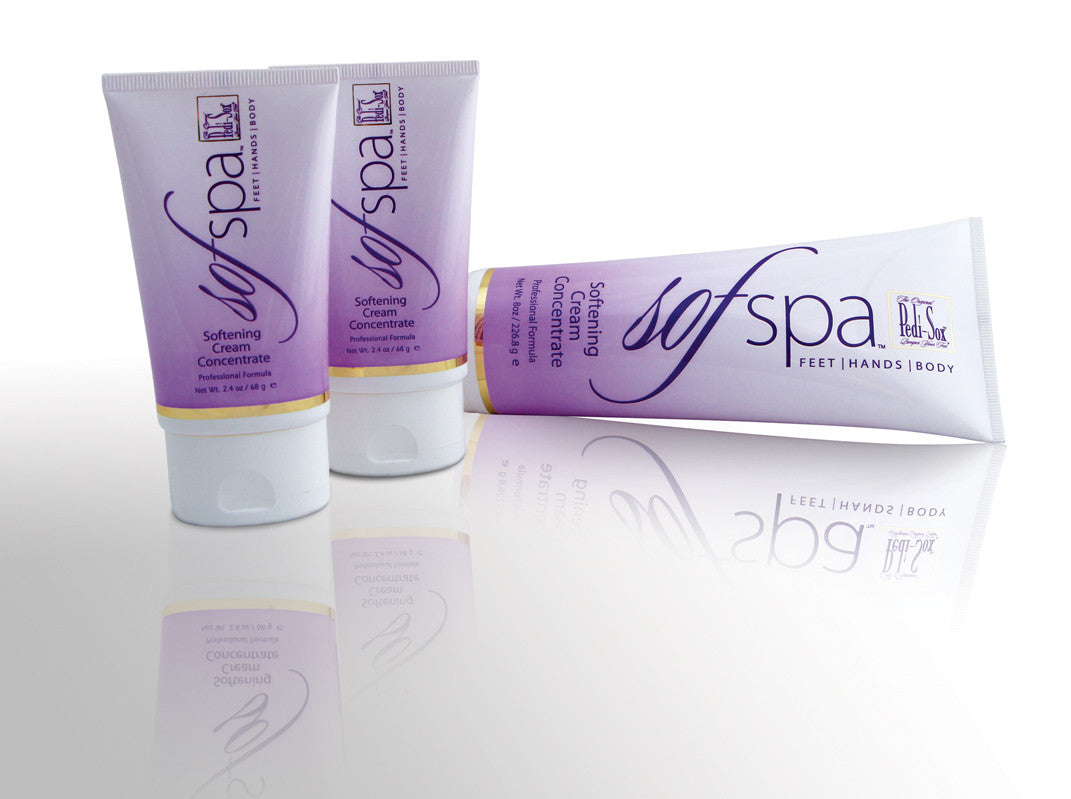
Choose a cream with a thick, occlusive base rather than a light lotion, since heavier formulas stay on the skin longer. For cracked heels, our SofSpa® Softening Cream Concentrate is designed for intensive overnight treatment and works well with Original Pedi-Sox® socks, at $12.00 for 2.4 oz retail or $12.00 for 8 oz professional, and you can read more in our Best Foot Cream for Cracked Heels: Expert Review. If you want a step-by-step overnight method, see How to Moisturize Dry Feet Overnight: Step-by-Step.
The routine works best when each step is kept short and in the right order, as summarised below.
| Step | What to do | Time or frequency |
|---|---|---|
| Soak or rinse | Use lukewarm water, not hot | 5 to 10 minutes |
| Wash | Use mild soap on heels and sides | Gentle wash |
| Dry | Pat dry, especially between toes | Thoroughly dry |
| Moisturize | Apply thick cream while skin is damp | Heels, soles, sides |
| Cover | Wear cotton or moisturizing socks | Overnight |
| Repeat | Keep the routine consistent | Daily, or several times a week |
Vaseline on Feet Overnight: When It Helps and When to Skip It
Petroleum jelly is an occlusive, meaning it forms a barrier that slows water loss from the skin. Applying it to dry heels at night can reduce moisture loss and soften the surface, which is why many people use it.
It is not always the right choice. Petroleum jelly does not add water to the skin, so it works best on damp feet, and it can leave greasy marks on sheets. Skip it if your skin is broken, infected, or inflamed, since a heavy occlusive layer can trap bacteria.
How to Exfoliate Dry Feet Safely Without Causing Damage
Exfoliation is where dry-foot routines most often go wrong. Because over-filing can leave skin less able to hold moisture, pair gentle exfoliation with consistent hydration from Pompom Skincare.
Match the tool to the job. A pumice stone is best for the thick, hardened skin on heels and the balls of the feet.
Frequency matters more than intensity. Two to three sessions per week is enough for most people with dry feet. Daily exfoliation usually backfires: the skin responds to repeated abrasion by thickening, which is the opposite of what you want. If your heels feel rough again within a day of filing, the problem is more likely insufficient moisturizing than insufficient exfoliation.
Soak first, but keep it short. Five to ten minutes in lukewarm water softens the outer layer enough to file safely. Longer soaks, especially in hot water, leach natural moisturizing factors from the skin and can leave feet drier after they dry. Add a mild cleanser rather than soap if your skin is sensitive, and skip soaking altogether if you have an open crack or blister.
What to avoid. Never cut calluses with a blade, never use corn plasters with salicylic acid on broken skin, and never exfoliate over redness, swelling, or drainage.
When calluses keep coming back. A callus that returns within weeks despite regular filing is usually a pressure problem, not a skin problem.
Moisturizing Socks for Dry Feet and Cracked Heels
Moisturizing socks hold cream against the skin and reduce transfer to sheets, which is why many people with cracked heels use them overnight. Our Original Pedi-Sox® line is designed for this use, and our Socks for Cracked Heels Overnight: A Step-by-Step Guide explains how to use them with cream. For a practical overview of choosing and using them, see Moisturizing Socks for Sandal Wearers: A Practical Guide. Original Pedi-Sox® socks are priced at $10.75 for the Professional SPA White and $11.75 for the Ultra styles, with the Ultra designs made of a middle-weight acrylic, nylon, and spandex blend.
Diabetes, Neuropathy, and Dry Feet: Safety Considerations and When to See a Doctor
Dry feet are a routine nuisance for most people, but for anyone with diabetes, peripheral neuropathy, or poor circulation, they are a safety issue.
What changes when sensation is reduced. You cannot rely on pain to tell you something is wrong. A hot-water soak that would feel uncomfortable to someone with normal sensation can cause a burn without warning. A pumice stone used too aggressively can create a break in the skin you never feel. For this reason, the safety guidance for people with diabetes or neuropathy differs from general dry-foot advice in several specific ways:
- Skip long soaks. Brief cleansing is fine, but prolonged soaking softens skin in a way that makes it more vulnerable to breakdown, and it dries the skin further once it evaporates. Check water temperature with a thermometer or your elbow rather than your foot.
- Do not use blades, callus shavers, or corn plasters (Diabetes). These are the tools most commonly associated with self-inflicted wounds in people with reduced sensation. Leave callus removal to a podiatrist.
- Be cautious with exfoliation. Gentle filing with a pumice stone may be acceptable if your provider approves it, but avoid motorized tools and aggressive abrasion. Never file over a callus that has any redness, warmth, or dark discoloration.
- Moisturize, but keep cream out of toe webs. Dry skin on the heels and soles benefits from a thick moisturizer, but cream trapped between the toes creates the damp environment that fungal infections prefer. Apply to the top, bottom, and sides of the foot, and leave the spaces between toes dry.
- Inspect daily, including between the toes and on the soles. Use a mirror or ask someone to help if you cannot see the bottom of your feet. Look for cracks, blisters, redness, swelling, warmth, or any change in skin color.
When to call a provider rather than treat at home. Seek care promptly for any open sore, drainage, redness that spreads, warmth, swelling, or a crack that does not begin to heal within a few days.
Dry feet can also signal conditions beyond simple dryness. Persistent scaling that does not respond to moisturizer, intense itching, redness in the toe webs, or fissures that recur in the same spot can point to eczema, fungal infection, or, less commonly, thyroid problems.
Start Your Own Dry-Foot Routine This Week
Pick one time each evening, wash, dry carefully, moisturize, and cover your feet. Track how your heels feel after a week and adjust your cream or frequency as needed. If your feet are very dry or you have a health condition, let your doctor or podiatrist guide the routine. For a dedicated overnight treatment, explore our SofSpa® Softening Cream Concentrate and pair it with Original Pedi-Sox® socks.
Frequently Asked Questions
What vitamin are you lacking if you have dry feet?
Dry feet are not reliably linked to one specific vitamin deficiency. The most common causes are low moisture, friction, tight or poorly fitting shoes, aging skin, and environmental dryness from cold weather or heated indoor air. Some people with persistent dryness may have thyroid problems, eczema, or diabetes, so a doctor can run tests if dryness is severe or does not improve with a consistent routine. Do not start supplements based on a guess; ask a healthcare professional first.
How often should you do foot care?
Most people benefit from a short foot care routine every day: washing, drying thoroughly, and applying moisturizer. Heavier treatments such as exfoliating or an overnight occlusive layer are usually better two to three times per week, since over-exfoliating can irritate skin. Adjust frequency if your skin feels tight, cracks, or becomes red or painful.
Why put Vaseline on feet overnight?
Petroleum jelly, sold as Vaseline, is an occlusive that slows water loss from the skin. Applying it over a moisturizer at night and covering your feet with cotton socks can help soften very dry heels and calluses by keeping hydration in. It is not a cure for infection or deep fissures, and it should not be used on broken or infected skin. If you have diabetes or poor circulation, check with your doctor before adding any overnight treatment.
Are moisturizing socks helpful for dry, cracked heels?
Moisturizing socks, often sold as gel or lotion-infused socks, can help hydrate dry skin when worn overnight after applying a cream. They work best as a supplement to a daily routine rather than a replacement for washing, drying, and moisturizing. Original Pedi-Sox® toe-less socks, including the SPA White Thick Cotton pair, allow natural toe movement and can be used with the SofSpa® Softening Cream Concentrate.

- Editorial Team


Comments 0